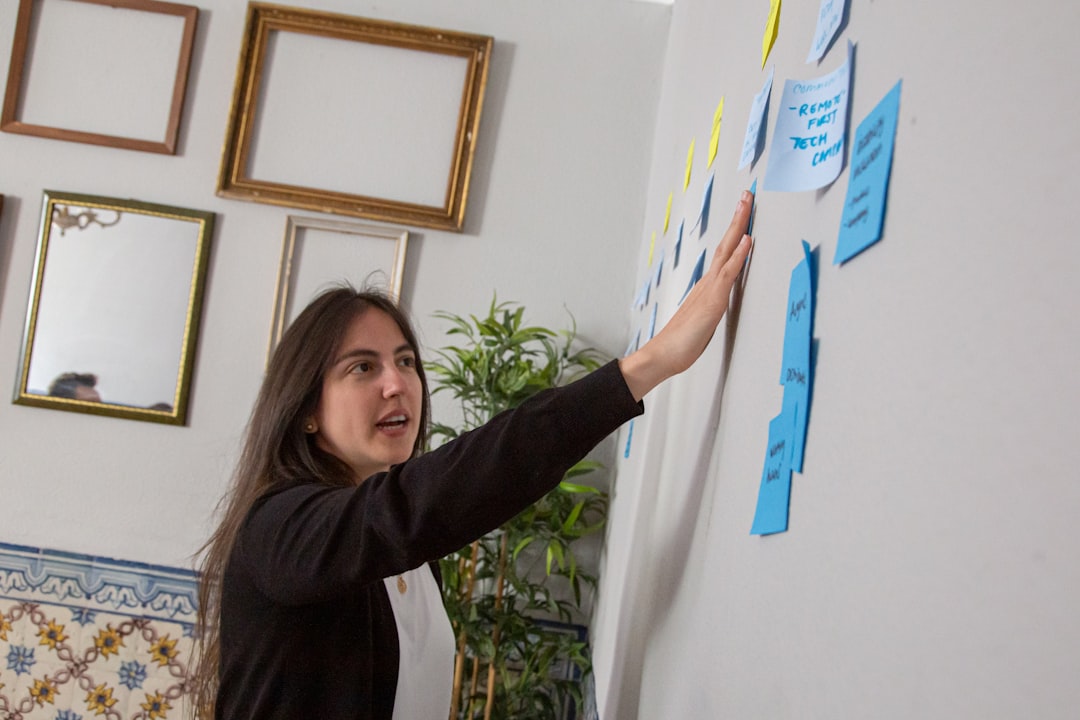

Purpose-driven leadership connects daily work to a mission people believe in—turning compliance into creativity and short-term output into long-term competitive advantage.
In today’s fast-paced business environment, leaders are often tempted to view everything through the lens of short-term quarterly targets. We chase efficiency, we track output metrics, and we lean heavily on technology to streamline operations. However, I’ve observed a recurring theme: many organizations are hitting a ceiling, not because their strategy is flawed, but because their culture lacks the "human fuel" to sustain long-term growth.
It is time to stop treating "purpose" as a soft skill. It is, in fact, your biggest competitive advantage.
The Myth of the "Soft Skill"
Many leaders fall into the trap of thinking that sustainability and servant leadership are peripheral initiatives—things you do after the real work is finished. But research consistently proves otherwise. When organizations pivot toward environmental servant leadership, they aren’t just "being nice." They are actively unlocking new levels of employee creativity and proactive citizenship.
When your team understands that their daily labor is connected to a larger, sustainable purpose, the nature of their work changes. They shift from merely "doing tasks" to "solving problems." That shift in mindset is where true innovation happens.
Spreadsheet Leadership vs. Purpose-Driven Leadership
| Spreadsheet-first leadership | Purpose-driven leadership |
|---|---|
| Optimizes quarterly metrics only | Balances near-term results with long-term mission |
| Treats people as cost lines | Treats people as creators of value |
| Delegates culture to HR or agencies | Models purpose in daily decisions |
| Measures output volume | Measures impact and learning |
| Burns out high performers on "urgent" work | Protects focus on work that matters |
How to Build a Purpose-Driven Organization
If you want to move beyond the status quo and build a team that thrives on innovation, you must stop managing output and start leading people. Here is how to execute this shift:
- Lead by Serving: Move away from micromanagement. Servant leadership focuses on removing the obstacles that prevent your team from doing their best work. When you serve your people, you build the trust necessary for them to take risks.
- Align Operations with Purpose: Don’t keep your sustainability goals in a separate silo. Connect your daily operations directly to the impact they have on the environment and society. This context is what turns a "job" into a "mission."
- Empower Proactive Citizenship: Give your employees the freedom to develop solutions that benefit both the business and the planet. When people feel ownership over the company’s impact, their commitment to the organization deepens significantly.
A Real-World Example: Purpose in Client-Facing Operations
For a beauty and wellness clinic, digital transformation was not only about booking software. Patients needed to trust that care extended beyond the treatment room—into how appointments were managed, how staff communicated, and how the brand represented well-being.
When marketing automation and portal design reflected the clinic’s mission (not just conversion rates), staff engagement rose because their tools matched the story they told patients every day. Purpose and operations aligned. Explore the project context in Mahnega Beauty Clinic portal development.
Purpose-Driven Leadership Checklist
- Can every team member explain how their work advances the mission?
- Do promotion and bonus decisions reflect stated values—not only revenue?
- Are sustainability or community goals tied to operating metrics?
- Do leaders remove blockers instead of adding approval layers?
- Is culture built internally, not outsourced? See building culture from within.
- Does your digital transformation plan include the human side?
The Leadership Challenge: Aligning Human Potential With Digital Strategy
Building this culture is not disconnected from the digital transformation trends we see elsewhere. Whether you are implementing AI to automate workflows or deploying enterprise software, the technology is only as good as the people operating it.
True transformation fails when leaders treat the "human side" of the change as an afterthought. If you haven’t synchronized your operating model with your new tools—and if you haven’t fostered a culture that values sustainability and growth—you are simply subsidizing inefficiency. You are automating the wrong things.
Frequently Asked Questions
Is purpose-driven leadership anti-profit?
No. Purpose clarifies which profits are worth pursuing and which shortcuts erode trust, talent, and brand.
How do you measure purpose?
Track retention of high performers, employee-initiated improvements, customer advocacy, and whether stated values appear in promotion decisions.
Where should leaders start?
Rewrite one team goal so it connects daily tasks to customer or community impact—then review it weekly in standups.
Final Takeaway
Sustainability isn’t a PR strategy. It is the bedrock of a culture where your best talent stays, evolves, and builds the future alongside you. It is the difference between a company that survives and one that leads.
References

Systems & Automation Specialist
Alec Asgari is a systems and automation specialist with experience in CRM implementation, workflow automation, and cross-functional process design. He writes about organizational strategy, technology, and operational execution.