DFISX 2023 was a three-day innovation summit in Dubai bringing together thousands of attendees, international speakers, sponsors, and government partners. The organizing team needed more than a beautiful stage — they needed a digital backbone that could register guests, print badges on arrival, track sessions, and keep exhibitor data accurate in real time.
I served as the technical lead for the event's digital operations. That meant designing the attendee data model, building the check-in experience, wiring automations between registration and on-site hardware, and coordinating booth construction logistics so the technology worked from minute one of day one.
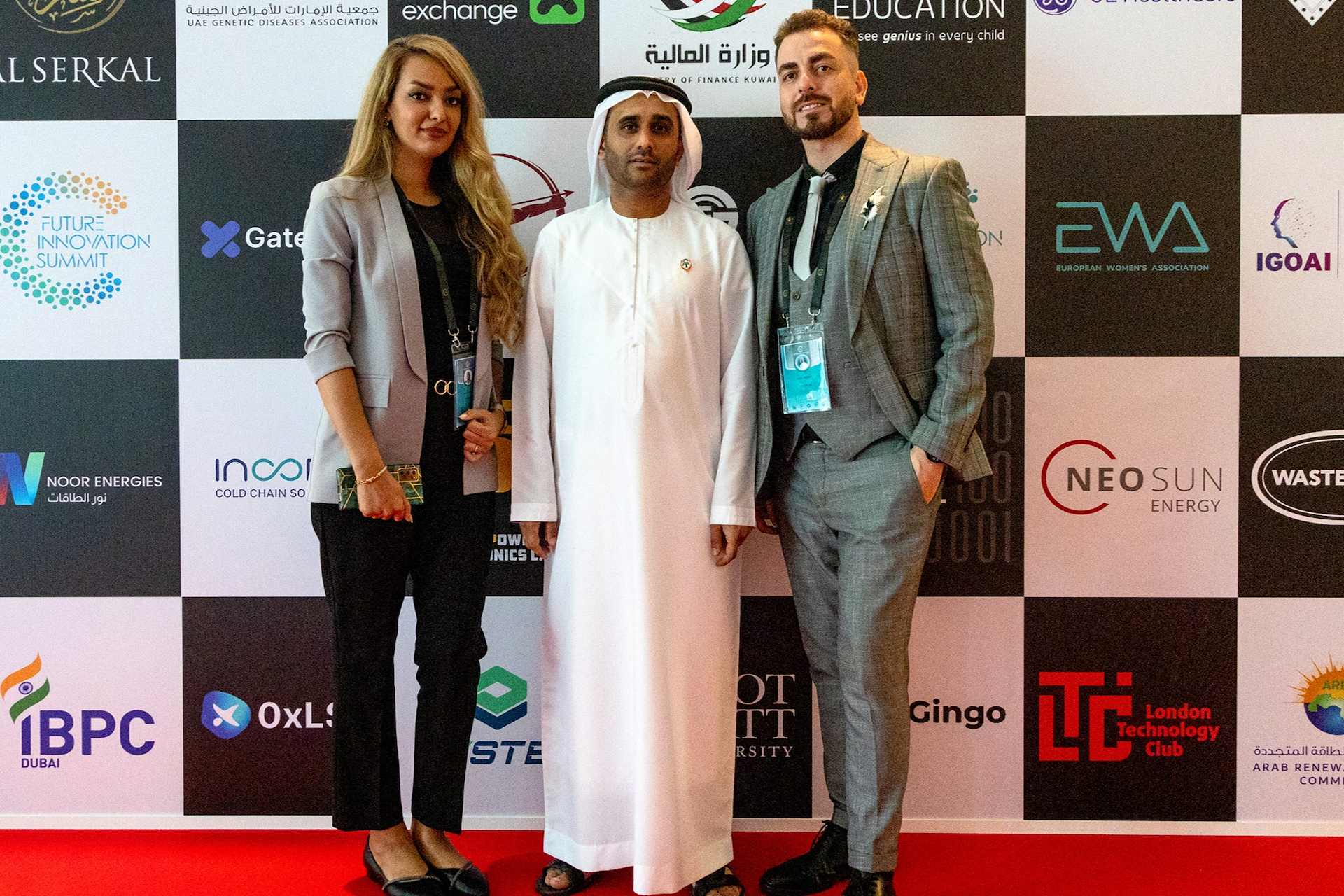
Large tech events fail quietly when data is messy. Duplicate registrations, misspelled names on badges, and slow check-in lines create a bad first impression before a single keynote begins. DFISX expected high walk-in volume, VIP guests with special access, and sponsor booths that needed live lead capture — all running on a compressed setup timeline.
The venue team also required precise coordination: power, networking, printer stations, and QR scanning points had to be mapped to physical floor plans. There was no room for a "we will fix it on day one" approach. The system had to be tested, staffed, and fault-tolerant before doors opened.
I built a custom event application connected to no-code databases that held attendee profiles, ticket tiers, and sponsor categories. Registration updates flowed through n8n and Make automations so check-in staff always saw the latest record — even when last-minute changes arrived by email or WhatsApp.
At the entrance, QR code scanning triggered instant badge printing with the correct role color and session access. I set up redundant printer stations and trained volunteers on a simple recovery process if a device dropped offline. Behind the scenes, I coordinated booth fabrication timelines with the AV and construction vendors so network drops and power outlets landed exactly where hardware needed to sit.
During the event, I stayed on the floor as the escalation point for technical issues — not buried in a back office. That on-site leadership kept response times measured in minutes, not hours.
- Custom event web app with mobile-friendly check-in UI
- No-code databases (Airtable-style) for attendee and sponsor records
- n8n and Make workflows for registration sync and notifications
- QR scanning pipeline linked to on-site badge printers
- Role-based badge templates for attendees, speakers, press, and VIPs
- On-site tech runbook and volunteer training materials
The summit ran across three days without a major systems outage. Check-in queues stayed manageable even during peak morning arrivals. Sponsors received usable lead data because capture tools were live before exhibitor hours began. Session operations staff could trust attendee counts instead of guessing from paper sign-in sheets.
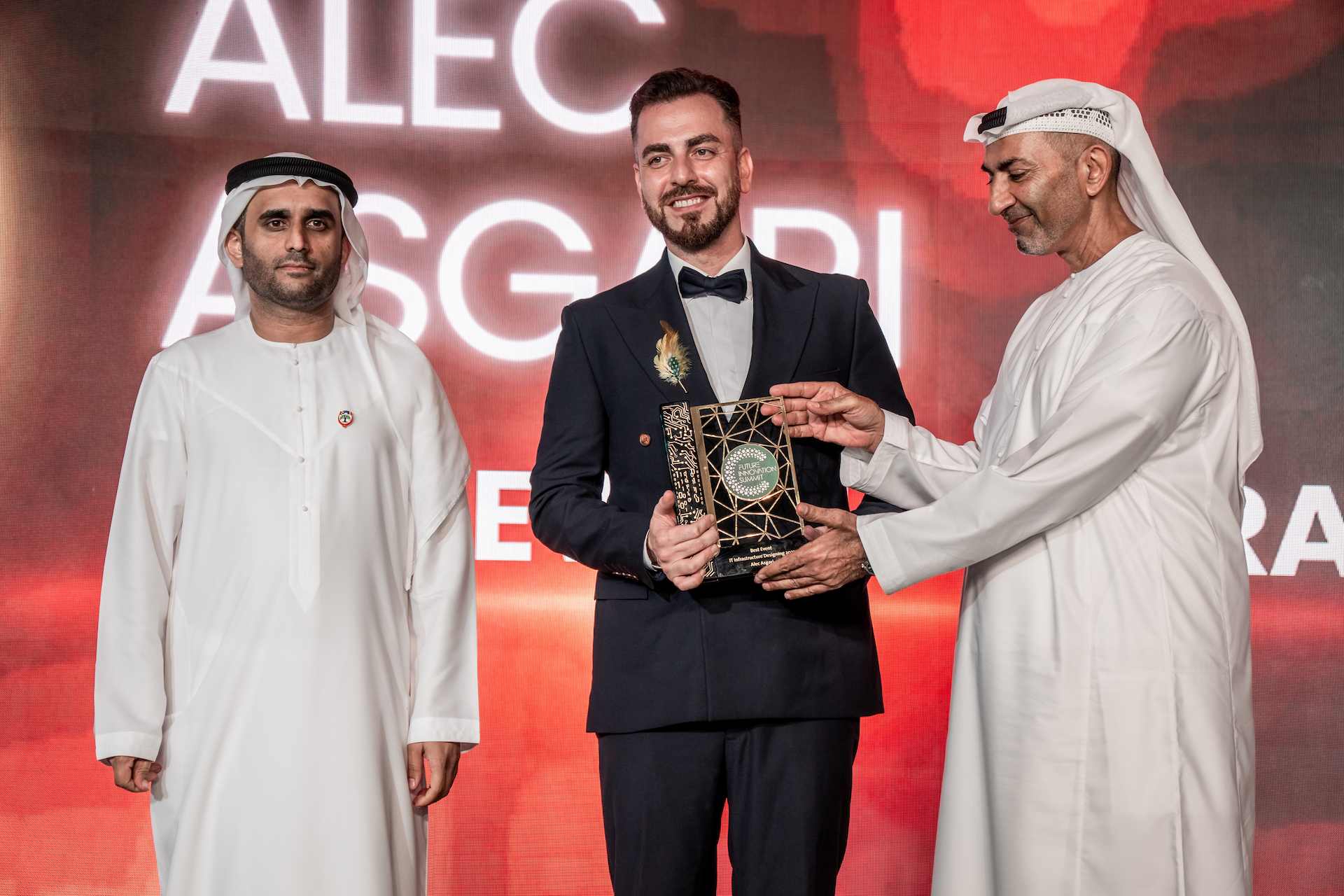
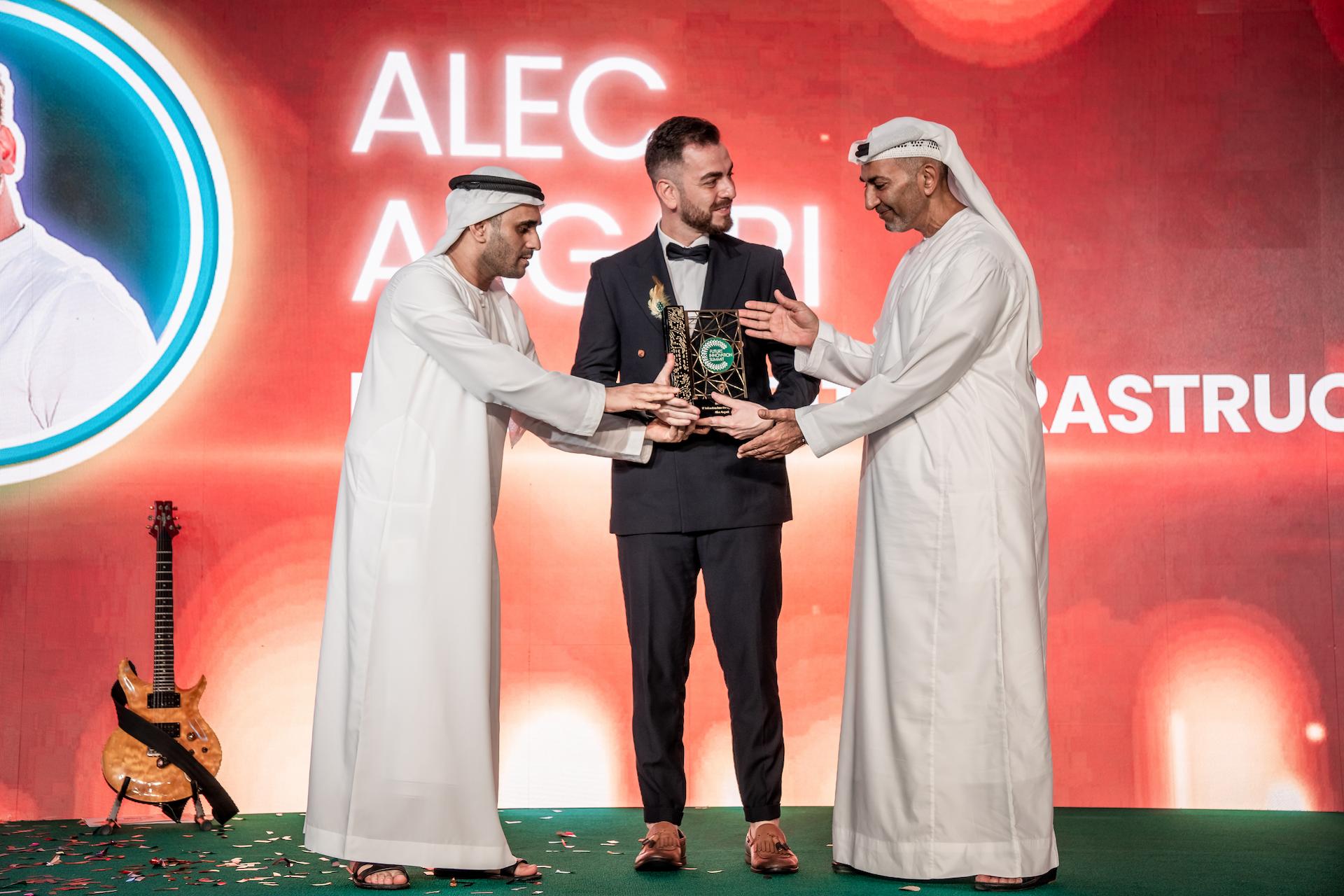
After the event, the organizing committee received the "Best Event Organizer" trophy — a result of tight cross-team coordination, not just software. The digital layer made the human coordination visible: everyone worked from the same live data.
Event technology is an operations problem first and a coding problem second. Automations matter, but on-site leadership matters more when thousands of people arrive at once. Build redundancy into check-in, keep badge printing simple, and test the full path from registration email to printed lanyard before attendees land in Dubai.
The event needed a high-precision digital setup to track data for thousands of attendees and global speakers.
Built a custom event app with no-code databases and n8n/Make automation for live QR code scanning and instant badge printing. Led on-site tech and booth construction logistics.