
Overview
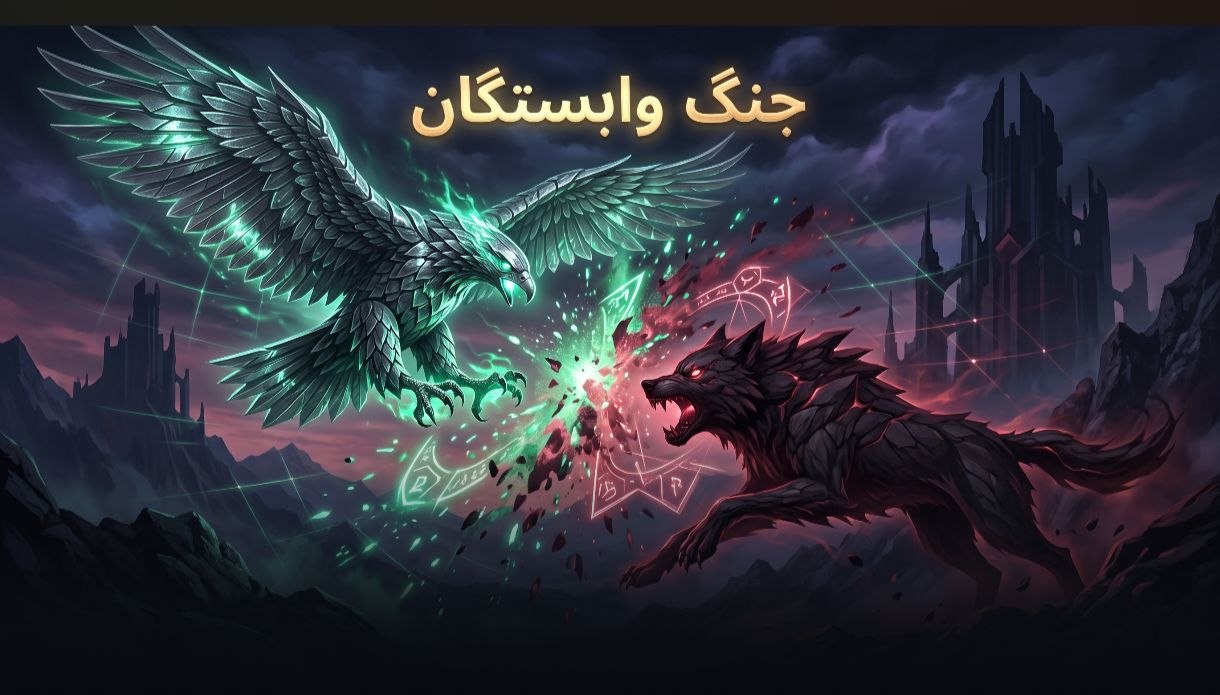
I designed and developed a custom team-based strategy game built as a Telegram mini-app for a group of friends and affiliates. The application allows community members to divide into two competing teams that battle to destroy each other's castles directly within the Telegram interface. Built using React, TypeScript, JavaScript, HTML, CSS, PostgreSQL, and integrated artificial intelligence, the project combines interactive frontend gameplay with an administrative dashboard for managing backend records.
The Problem
The project required an interactive group experience tailored specifically for a Telegram community. The community needed a centralized application that could manage team participation, support competitive multiplayer mechanics, and persist game data in a queryable backend. In addition, administrators needed a dedicated dashboard interface to view, query, and modify user and game records directly without manually executing raw backend operations.
My Approach
I structured the application development across a four-day implementation timeframe, focusing on three primary areas: user experience, backend persistence, and administrative controls. First, I built the client frontend within the Telegram mini-app framework using React, HTML, CSS, JavaScript, and TypeScript to ensure a responsive player interface. Second, I integrated a PostgreSQL database to manage application state and structured records. Finally, I incorporated artificial intelligence across parts of the application and constructed an administrative dashboard interface for backend management.
The Solution
The delivered solution provides an embedded interactive experience directly accessible within Telegram:
- Team selection and gameplay: Community members join one of two opposing teams and compete to destroy the rival team's castle.
- Telegram mini-app environment: Users access the game interface directly inside Telegram, keeping group engagement within the chat platform.
- Administrative dashboard: The administrator uses a dedicated dashboard panel to query the PostgreSQL database, inspect player data, and modify system records.
- AI features: Artificial intelligence capabilities are integrated into parts of the application to assist system functionality.
Technical Stack
I selected this technical stack to provide a responsive frontend application coupled with a reliable relational database.
- React: I used React to build the interactive client interface for the Telegram mini-app.
- PostgreSQL: I implemented PostgreSQL to store application records, team data, and player information.
- HTML: I used HTML to structure the application layout and UI elements.
- CSS: I used CSS to design the visual presentation and layout of the interface.
- JavaScript: I used JavaScript to execute client-side game logic and interactive components.
- TypeScript: I used TypeScript to maintain type safety and software structure across the web client.
- Artificial Intelligence: I integrated artificial intelligence components into targeted areas of the application.
Results & Impact
The completed mini-app provides a functioning multiplayer game environment delivered directly inside Telegram. Built over four days, the system unites team competition, game mechanics, and database management. Community administrators can query and adjust backend data through the custom dashboard, while group members can join teams and interact without leaving their primary messaging app.
Key Takeaways
- Embedded community game: I delivered an interactive mini-app interface directly within Telegram using standard web technologies.
- Admin database control: The included dashboard panel enables administrators to query and modify PostgreSQL records efficiently.
- Structured web architecture: Combining React, TypeScript, and PostgreSQL provided a maintainable foundation for client state and data storage.
- Rapid implementation: The complete application, UI design, database backend, and admin dashboard were built within four days.